
How to Choose Low Impact Fabrics for a Capsule Wardrobe 2026
Quick Summary
The best low impact fabrics for a capsule wardrobe in 2026 are linen, organic cotton, hemp, lyocell, merino wool, and recycled fibers, chosen for durability and repeat wear rather than a single season. Match each fiber to the garment's role: linen and hemp for trousers, organic cotton and lyocell for tees and blouses, merino wool for sweaters.
- A 2026 Cladwell report reviewing over 6,700 capsules found a midpoint of roughly 30 pieces per wardrobe.
- Linen suits trousers and overshirts, while organic cotton suits tees, blouses, and jersey knits.
- GOTS certifies the finished textile product, while OEKO-TEX Standard 100 tests only for harmful substances.
- Score each garment on water, land and chemicals, durability, care demand, and recyclability.
- Wash less often, use cold water, skip the dryer, and repair loose seams early to extend garment life.
Table of Contents
- What are the best low impact fabrics for a capsule wardrobe in 2026?
- Organic cotton vs linen: which low impact fabric wins for your capsule?
- Durable natural fabrics for everyday wear: hemp, lyocell, modal, and wool
- Fabric certifications for sustainable fashion: how to verify low impact claims
- How to build a sustainable capsule wardrobe: a garment-by-garment fabric guide
- Cotton and linen dresses and sweaters for a capsule wardrobe
- Caring for low impact fabrics: wash, dry, and repair for longer repeat wear
- Shop the latest low impact arrivals at Blue Zone Planet
- Frequently Asked Questions
What are the best low impact fabrics for a capsule wardrobe in 2026?
The best low impact fabrics for a capsule wardrobe in 2026 are linen, organic cotton, hemp, lyocell, merino wool, and recycled fibers, chosen for durability and repeat wear rather than a single season. At Blue Zone Planet, we build our collections around that principle: fewer pieces, worn more often, made from fibers that hold their shape.
The case for choosing carefully is simple. A 2026 Cladwell capsule wardrobe report reviewing more than 6,700 capsules found a midpoint of roughly 30 clothing and shoe pieces per wardrobe. Thirty pieces that get worn constantly demand fabrics that survive washing, packing, and daily rotation.
Below, we break down how each fiber performs, where it falls short, and how to match fabric to garment type so your capsule actually works.
Organic cotton vs linen: which low impact fabric wins for your capsule?
Neither wins outright. Linen takes the edge for warm-weather breathability and longevity, while organic cotton wins on softness, drape, and everyday versatility. The right answer depends on the garment, not the fiber's reputation.
Linen, made from flax, is a bast fiber known for strength and airflow. It creases, and that creasing is the trade-off for a fabric that softens with every wash.
A common mistake is treating these as interchangeable. They are not. Linen suits trousers, overshirts, and summer dresses. Organic cotton suits tees, blouses, and jersey knits.
For a genuine linen-cotton blend, compare our Solid Color Ruffled Waist Dress, listed as 55% linen and 45% cotton. The retro swing dress has a cotton-linen name but its listed composition is 80% cotton and 20% polyester, so do not assume it contains linen. Always prioritize the actual fiber-content panel.
Durable natural fabrics for everyday wear: hemp, lyocell, modal, and wool
Hemp, lyocell, modal, and merino wool are the workhorses of a durable capsule. Each offers a different balance of strength, softness, and care demands, and each earns its place for specific garment types.
- Hemp: exceptionally strong and gets softer with wear. Best for trousers, jackets, and overshirts. Hemp blends with cotton reduce the initial stiffness.
- Lyocell (TENCEL): a regenerated cellulose fiber made from wood pulp in a closed-loop process. It drapes well and manages moisture, which suits dresses and blouses.
- Modal: another regenerated cellulose fiber, softer than lyocell but less durable. Best for underwear, tees, and loungewear.
- Merino wool: temperature-regulating and odor-resistant, so it needs washing less often. Best for sweaters and base layers.
For everyday dresses that hold up to repeat wear, our guide to durable sustainable dresses for daily wear breaks down which of these fibers work best.
Vinthentic's guide to capsule wardrobe fabrics names linen, organic cotton, lyocell, and quality blends as the core options, which matches what we see holding up in real rotation.
Fabric certifications for sustainable fashion: how to verify low impact claims
Fabric certifications for sustainable fashion are third-party verification programs that confirm a fiber was produced, processed, or sourced to a defined standard. They matter because "low impact" is an unregulated marketing phrase with no legal definition in the United States, so a certification is often the only independently checked claim on a hangtag.
The useful way to read a certification is to ask three questions: what does it cover (fiber, fabric, or finished garment), who audits it, and can you look up the certificate? Most standards answer those questions differently, which is why two garments with similar logos can carry very different levels of assurance.
Here is what the common standards actually establish:
- GOTS (Global Organic Textile Standard): covers organic fiber content plus processing, chemical inputs, wastewater treatment, and social criteria. It applies to the finished textile product, not just the raw fiber, and requires a transaction certificate for each shipment. A GOTS logo on a tee means the tee, not just the cotton, was certified.
- OEKO-TEX Standard 100: tests finished fabric and garments for harmful substances against a published limit list. It is a chemical-safety standard, not an organic or environmental one, so an OEKO-TEX label does not tell you how the fiber was grown.
- GRS (Global Recycled Standard): verifies recycled content and chain of custody from the recycler to the finished product, and adds social and environmental criteria at each processing stage. It is the standard most often cited for recycled polyester and recycled cotton blends.
- FSC certification: relevant to lyocell and modal, confirming wood pulp comes from responsibly managed forests. It covers the forestry end of the supply chain, not the fiber processing.
- RWS (Responsible Wool Standard): covers animal welfare and land management on wool farms, and is the certification to look for on merino base layers and sweaters.
Watch out: a certification logo on a hangtag does not mean the whole garment is certified. Check whether the claim covers the fiber, the fabric, or the finished product, and look up the certificate number in the certifier's public database before you trust it.
A second verification habit is to read the fiber content panel against the marketing copy. If a product page says "sustainable" but the fiber panel lists a conventional fiber with no certification number, the claim is marketing, not verification.
Wanna's 2026 minimalist fabric guide lists organic cotton, linen, merino wool, silk, and TENCEL lyocell as its top picks, and each of those fibers has a corresponding certification path you can verify. To understand how certified fabric quality actually differs from fast fashion, read our comparison of sustainable clothing quality vs fast fashion.
How to build a sustainable capsule wardrobe: a garment-by-garment fabric guide
Building a sustainable capsule wardrobe means matching each garment to the fiber that performs best in that role, then buying fewer, better pieces. Start with the garments you wear most and work outward.
Here is how we would assign fabrics by garment type:
| Garment | Best fiber | Why it works | Care demand |
|---|---|---|---|
| Base-layer tee | Organic cotton, modal | Soft against skin, breathable | Machine wash cold |
| Trousers | Linen, hemp blend | Holds shape, resists abrasion | Wash less, hang dry |
| Blouse or shirt | Organic cotton, lyocell | Drapes well, presses clean | Cool iron |
| Sweater | Merino wool, cashmere | Regulates temperature, low odor | Hand or wool cycle |
| Dress | Linen, lyocell | Breathable, travels well | Hang dry |
| Outerwear | Hemp, cotton blends | Durable, weather-resistant | Spot clean |
The table is a starting point, not a scorecard. Two angles most fabric guides skip are cost-per-wear and lifecycle trade-offs, and both change which fiber actually wins for a given garment.
Cost-per-wear is the number that matters. Divide the purchase price by the number of times you expect to wear the garment. A $120 linen trouser worn twice a week for three seasons works out to well under a dollar per wear, while a $30 pair that pills after a month and gets retired costs more per wear even though it was cheaper at checkout. The same math applies to knitwear: a merino sweater that survives five winters and needs washing every fourth wear beats three acrylic sweaters that stretch out in one season. When you compare two garments, compare the expected number of wears, not the sticker price.
Lifecycle trade-offs are where fiber labels fall apart. A fiber's impact depends on where you measure it, and no fiber wins on every metric:
- Water: organic cotton saves on chemical inputs but still needs significant irrigation water; linen and hemp generally need less irrigation and are often rain-fed, but they require retting and processing water.
- Land and chemicals: conventional cotton uses more pesticides than most fibers; organic cotton removes synthetic pesticides but not all inputs. Hemp grows densely and needs little herbicide.
- Processing: lyocell and modal use a closed-loop solvent process that recovers most of the solvent, which is why they are often cited as lower-impact regenerated fibers, but the forestry source still matters, which is where FSC certification comes in.
- Durability and care: wool and linen need less frequent washing, which lowers the use-phase impact; modal and viscose are softer but less abrasion-resistant, so they wear out faster in high-friction roles like trousers.
- End-of-life: single-fiber garments are easier to recycle than blends, and synthetic content in a blend complicates both recycling and microfiber shedding.
A practical decision framework is to score each candidate garment on five factors- water, land and chemicals, durability, care demand, and recyclability- and pick the fiber that scores well on the factors that matter for that garment's role. A base layer should win on skin comfort and washability; trousers should win on abrasion resistance and shape retention; outerwear should win on durability and weather resistance. That is why the same fiber can be the right answer for one garment and the wrong answer for another.
For the broader steps of assembling a lasting wardrobe, our guide to building a sustainable wardrobe that lasts walks through it.
Cotton and linen dresses and sweaters for a capsule wardrobe
Build around clothes you will actually wear. A cotton dress, a linen-rich dress and a versatile cotton knit can cover warm days, travel and transitional weather without requiring a separate outfit for every occasion. These examples use the fiber compositions stated in Blue Zone Planet's product listings; cotton or linen content alone is not proof of organic production, certification or lower environmental impact.
Cotton dresses for everyday wear
Choose Diana's 100% cotton mini dress for an all-cotton option, Natalia's cotton-rich maxi dress for longer silhouettes, or Mila's floral plus-size midi dress for everyday versatility. Monica's gingham mini dress is a cotton-polyester blend; compare its care and recycling trade-offs with the higher-cotton alternatives.

Natalia's Printed Tie-Front Maxi Dress
95% cotton, 5% spandex. A printed maxi for weekends and holidays.
$50.00 USD
Buy the Dress
Monica's Gingham Tie-Shoulder Ruffle Hem Mini Dress
50% cotton, 50% polyester. Gingham mini for casual sunny days.
$44.00 USD
Buy the Dress
Diana's Deep V-Neck Sleeveless Empire Waist Mini Dress
100% cotton. A lightweight empire-waist mini.
$44.00 USD
Buy the Dress
Mila's Elegant Full Size Floral V-Neck Midi Dress Plus Size
95% cotton, 5% spandex. A floral midi with plus-size options.
$38.00 USD
Buy the DressLinen and linen-blend dresses for warm weather
For a breezy summer capsule, compare linen-rich woven fabrics and check the full composition, fit and care label. A blend may change how a garment creases, dries and can be recycled.

Women's Solid Color Ruffled Waist Dress
55% linen, 45% cotton. A solid-color dress for repeat styling.
$40.00 USD
Buy the Dress
Ladies Pocket Button Cotton Linen Spaghetti Strap Dress
70% linen, 30% polyester. A pocketed button-front summer dress.
$27.00 USD
Buy the DressCotton sweaters for layering
A versatile knit can extend the season of a sleeveless dress. Look for a neckline that works with your existing wardrobe and follow the garment's care label. Cotton blends may offer different stretch and shape retention from pure cotton.

Waffle-Knit Drawstring Detail V-Neck Sweater
60% cotton, 40% acrylic. A textured knit for transitional weather.
$38.00 USD
Buy the Sweater
Polo Ralph Lauren Cotton Sweater
Knitted cotton; percentage not specified. A premium flag-motif crewneck.
$420.00 USD
Buy the Sweater
Solid V-Neck Single Breasted Long Sleeved Sweater
65% cotton, 35% polyester. An affordable button-front knit layer.
$30.00 USD
Buy the SweaterPlan your outfits before buying
Try a cotton mini with a cardigan and sneakers, a linen-rich dress with sandals, and a cotton sweater over a midi dress on cooler days. Estimate cost per wear: a $40 dress worn 40 times costs $1 per wear, excluding care costs. Buy only pieces that fill a real gap in your wardrobe. Read our guides on how to choose ethical clothing brands and how to identify quality clothing fabrics before comparing sourcing and durability. Product prices are USD at the time of writing; check the product pages for current prices and availability.
Caring for low impact fabrics: wash, dry, and repair for longer repeat wear
How you wash a garment determines how long it lasts, and longevity is the single biggest lever on a fabric's real footprint. A fiber's production impact is fixed. Its useful life is not.
- Wash less often. Merino and linen can air out between wears. Spot clean when you can.
- Use cold water and a gentle cycle. Heat breaks down fibers and shrinks natural fabrics.
- Skip the dryer. Hang dry linen, wool, and lyocell. Tumble drying is the fastest way to shorten a garment's life.
- Repair early. A loose seam or missing button fixed in week one prevents a garment from being retired in month six.
Watch out: fabric softener coats natural fibers and reduces breathability. Skip it on linen, wool, and cotton, and use wool-specific detergent for animal fibers.
Microfiber shedding is the other care issue worth knowing. Regenerated cellulose fibers shed less than synthetic polyester, but washing any fabric in a filter bag catches lint before it reaches waterways.
Shop the latest low impact arrivals at Blue Zone Planet
We offer sizes from XSMALL to 6XLARGE and free shipping. Every purchase contributes to tree planting and wildlife protection.
Here is what recently landed:
| Product | Fiber | Best for | Price |
|---|---|---|---|
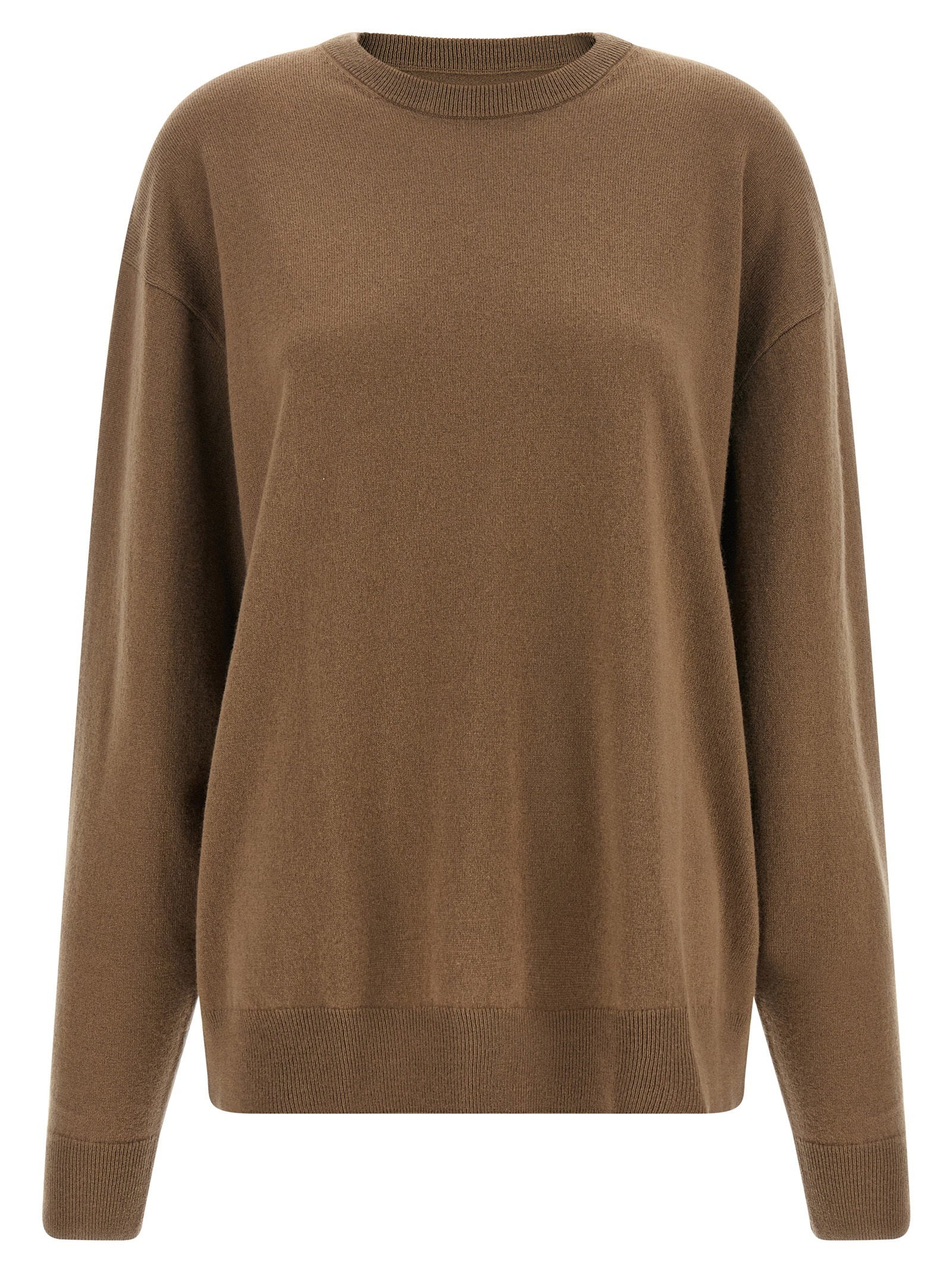
| Extreme Cashmere N°476 April Sweater | 100% cashmere | An oversized everyday layer | $531.00 |
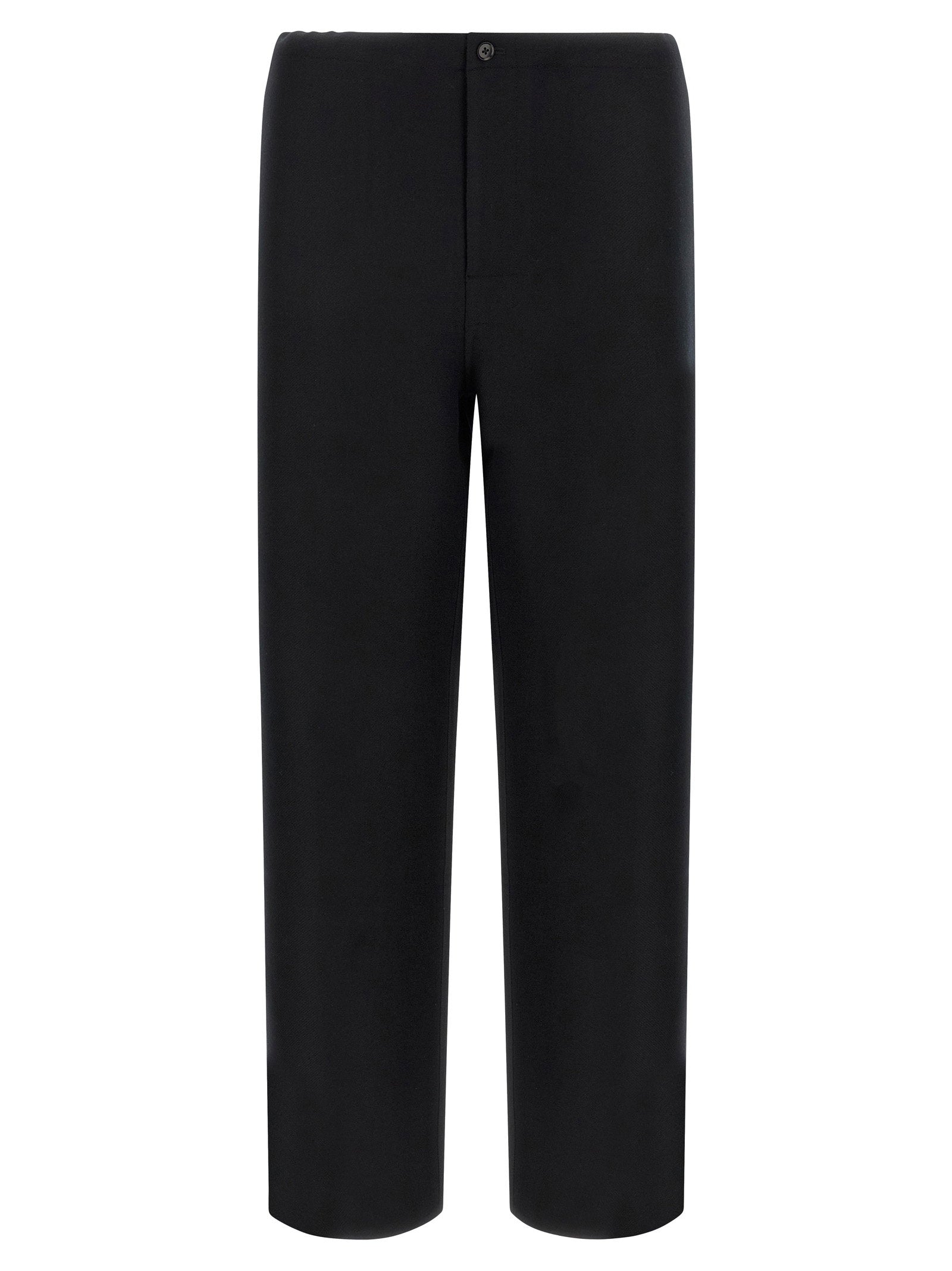
| Extreme Cashmere N°506 Giorgio Pants | Wool-cashmere blend | A relaxed, tailored trouser | $1,194.00 |
| 032C Cotton long-sleeves t-shirt | Cotton | A clean layering base | $173.02 |
| Emporio Armani Cotton denim jeans | Cotton corduroy | Textured everyday denim | $274.92 |
| Wide-Leg Jeans with Pockets | Cotton-rich with regenerated cellulose fiber | A relaxed high-waist silhouette | $83.00 |
| Classic Minimalist Single-Breasted Trench Coat | Cotton-polyester shell | A waterproof finishing layer | $216.00 |
| Christa's Cotton Floral Print Blouse | 100% cotton | A breathable printed top | $42.00 |
Price
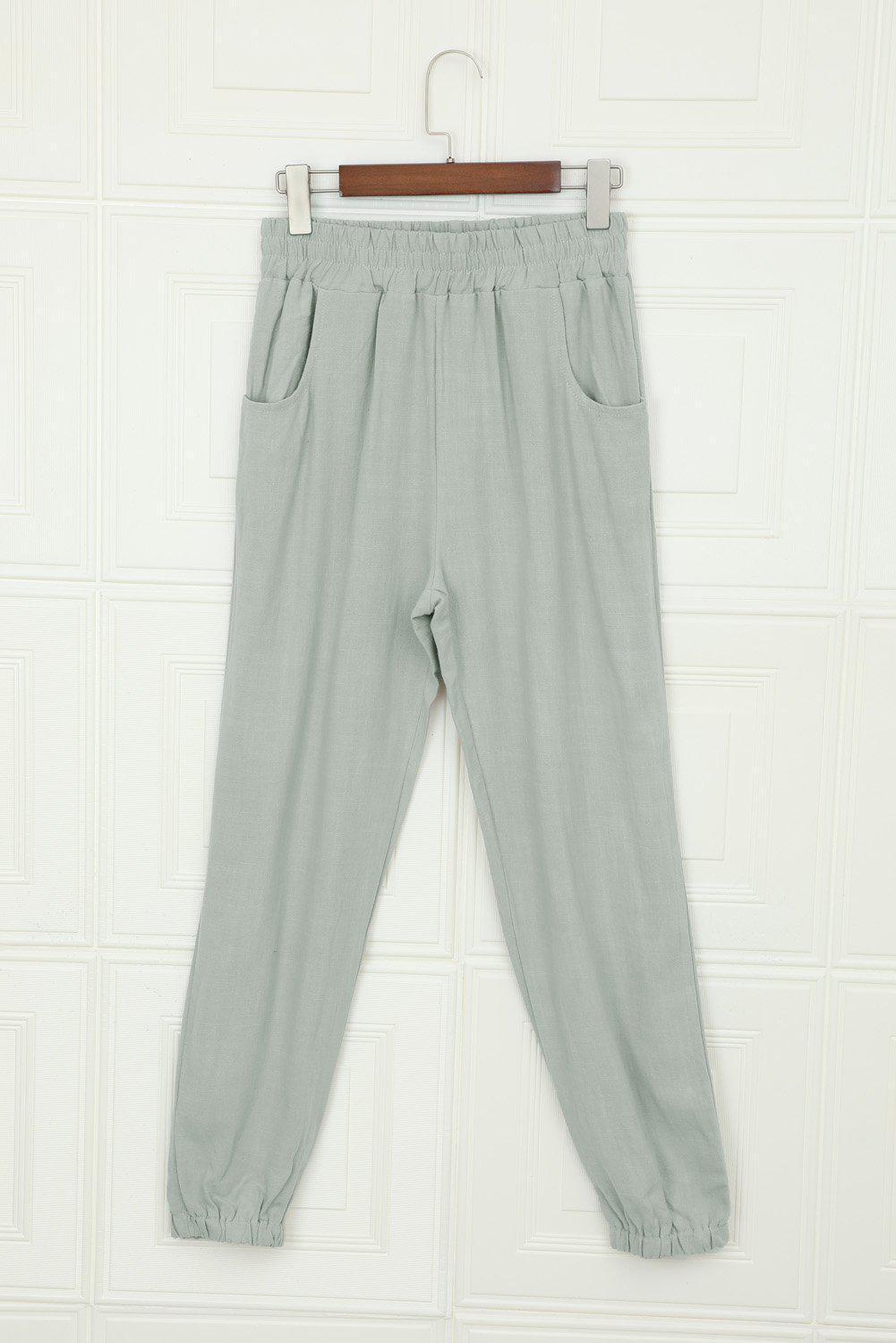
The linen pocketed joggers are our pick for anyone starting a warm-weather capsule, since linen handles heat and softens with every wash.
Choosing low impact fabrics is really a decision about how long you plan to wear something. Pick fibers that suit the garment, verify the claims behind them, and care for the pieces so they earn their place in a 30-piece rotation. Blue Zone Planet builds our collections around that idea, with inclusive sizing from XSMALL to 6XLARGE, free shipping, and a mangrove tree planted with every order. Get started with Blue Zone Planet and build a capsule that lasts past one season.
Frequently Asked Questions
What are the most sustainable fabrics for a capsule wardrobe?
Linen, organic cotton, hemp, lyocell, and merino wool are the most sustainable choices for a capsule wardrobe. Linen and hemp need little irrigation and few pesticides, organic cotton avoids synthetic inputs, and lyocell comes from wood pulp in a closed-loop process. Merino wool offers durability and odor resistance, so you wash it less. Choose fabrics that suit your climate and wash routine, and favor pieces you will wear repeatedly.
Is linen or organic cotton better for the environment?
Linen usually has a lower water and pesticide footprint because flax grows with rainfall in cooler regions, while organic cotton still needs irrigation but avoids synthetic pesticides. Organic cotton is softer against skin and easier to dye in bright colors. For a capsule, pick linen for warm-weather staples and organic cotton for everyday tees and blouses.
How can I tell whether a fabric is genuinely sustainable?
Look for third-party certifications on the label or product page, such as GOTS for organic cotton, European Flax for linen, RWS for wool, and FSC or OEKO-TEX for lyocell and low-chemical processing. Certifications are audited by independent bodies, so they carry more weight than a brand's own marketing. If a product page makes claims without naming a standard, treat the claim as unverified and ask the brand for documentation.
Which fabrics last the longest in a capsule wardrobe?
Linen, hemp, and wool generally outlast other natural fabrics because their fibers are long and strong. Linen softens with every wash without thinning, hemp resists pilling, and merino wool keeps its shape when washed cold and dried flat. Lyocell and modal are durable but can pill in high-friction areas. Whichever you choose, wash less often, air garments between wears, and repair small holes early to extend their life.
